How to Design a Theft-Proof Phone
Back in 2011, I led a group of Tongji students to Apple’s WWDC 2011 in the US. We witnessed Steve Jobs’ last public appearance before his death, where he introduced iCloud.
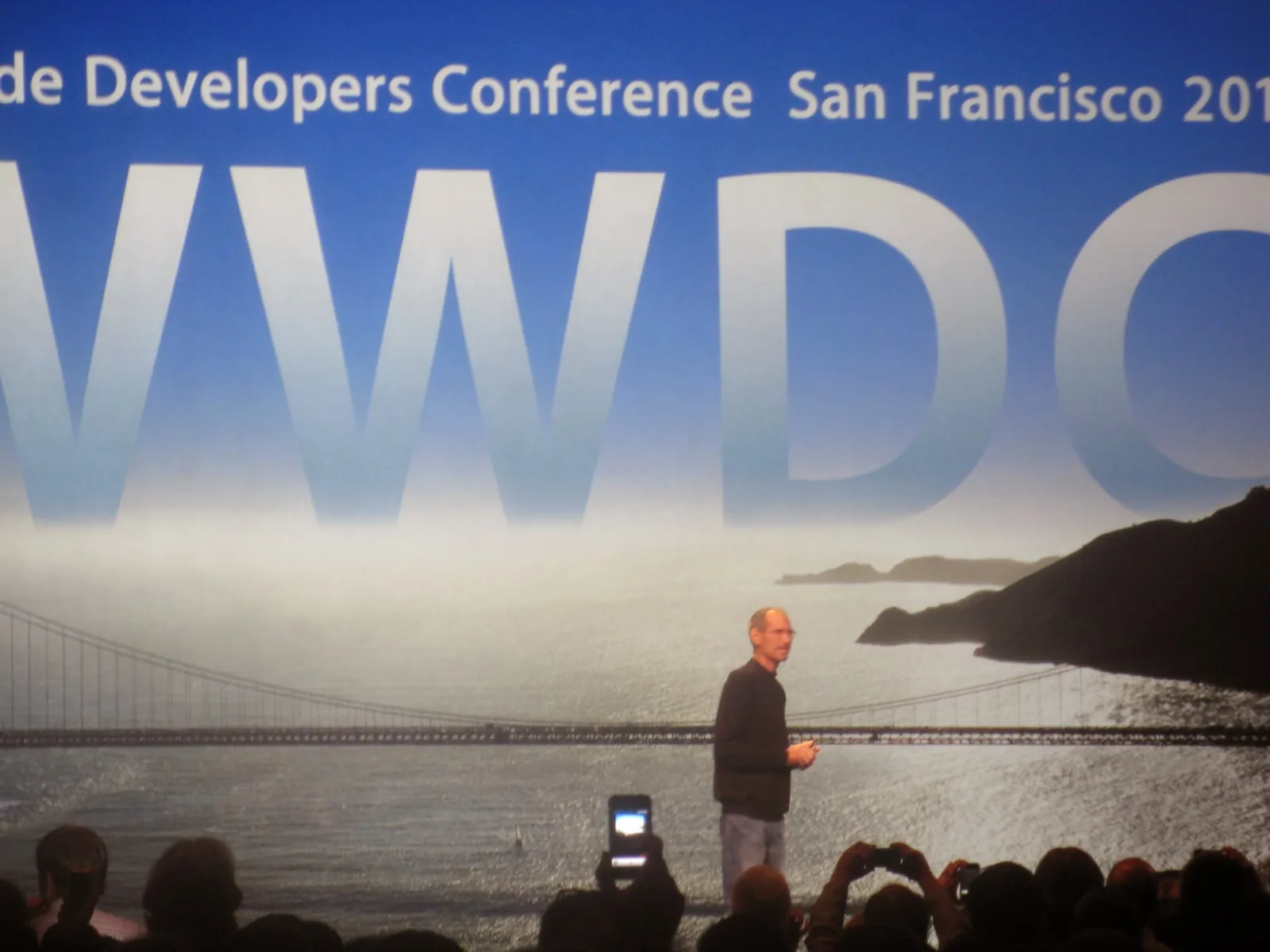
Jobs' last public appearance at WWDC 2011, photo by me
I won’t go into the conference itself — I’m not an iPhone developer and didn’t understand most of it. My mission was to chaperone students. But many memorable things happened. One was queuing — so many people wanted to see Jobs that the line wrapped around the venue multiple times. Two armed police officers came by and warned us: “Watch your iPhones. We’ve had several theft reports already.” Criminals knew where Apple developers gathered.
That evening, Apple hosted a dinner for student attendees. An Apple employee sat next to me and asked what improvements I wanted in the iPhone. I had two suggestions (this was the iPhone 4 era):
- First, a 9-key (T9) Chinese input method. I showed him my jailbroken iPhone — I’d jailbroken it just to install Sohu’s T9 keyboard. The iPhone screen was too small for full-keyboard Chinese input.
- Second, theft prevention. The police had just warned us about iPhone thefts. If you can design a theft-proof iPhone, that’d be incredible.
Over a decade later, T9 input is built into iPhones, and third-party keyboards are supported. Let’s talk about theft prevention: how to make people dare not, cannot, and do not want to steal.
First, what does a thief do with a stolen phone? They fence it. A $1000 iPhone sold as second-hand at 70% = $700. For that to work, the buyer must be able to use it. How does iPhone prevent this? With high-strength 3D Face ID — sampling many facial points, latest version can’t even be fooled by twins. The passcode? 6 digits, 10 attempts — one in a hundred thousand chance. Otherwise:
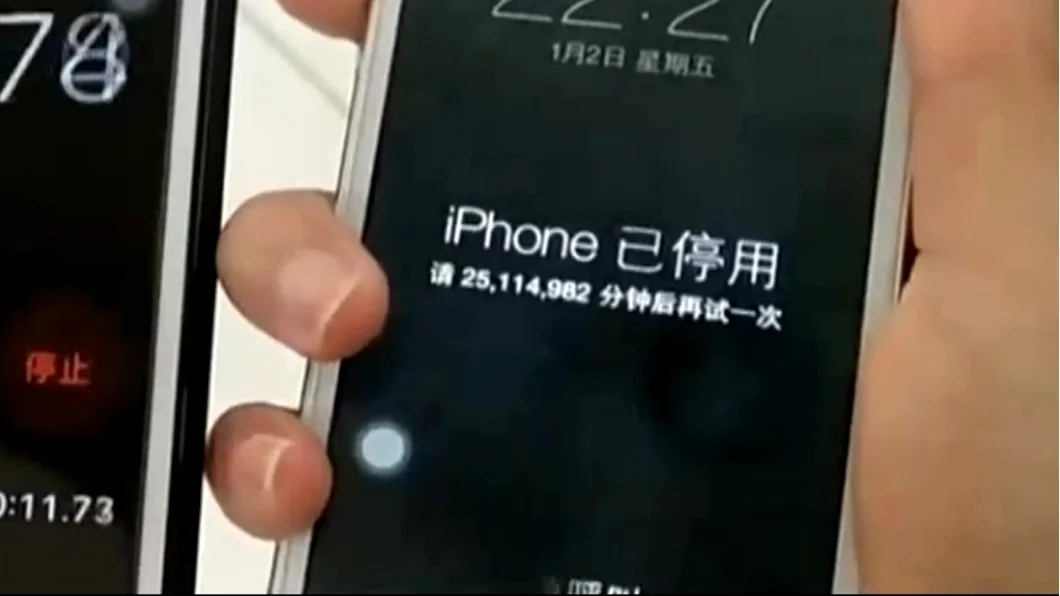
iPhone is disabled
What about bypassing the lock by factory resetting? Blocked — must unlock first. What about DFU restore? Need the iCloud password. Both dead ends.
OK, selling the whole phone won’t work. What about selling parts? iPhone parts are valuable — $1000 phone might yield $300 in parts: motherboard, screen, camera, battery (some “original” iPhone batteries on Taobao allegedly come from stolen phones), even storage (iPhone 6 16GB modded to 128GB). How to block this? Since last year, Apple serializes all components. If serial numbers don’t match, the device may malfunction or refuse to boot:
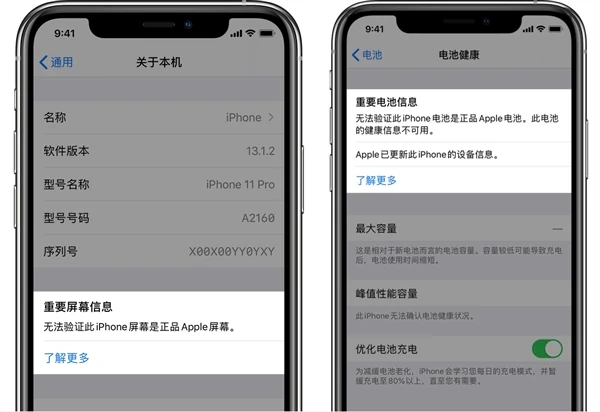
iPhone components
This is a double-edged sword — prevents thieves from selling parts, but also blocks DIY repairs. Many see this as Apple’s money grab. Apple’s compromise: the Self Service Repair program, letting you order parts directly.
With these measures, stolen iPhones can’t be sold whole or as parts. The incentive to steal is greatly reduced — “do not want to steal” is achieved.
What about “dare not steal”? How to recover a lost phone? Find My is common on modern phones — Android has Google’s Find My Device. But two problems:
- Power off: once off, can’t report location
- SIM removal: no network, no remote access
How does iPhone solve these?
- Power off: Find My is baked into the bootloader. Even when the phone is off, it can still be located. I was surprised when I first saw this. Even with battery drained to zero, residual power can still connect and report location.
- SIM removal: iPhone has been pushing eSIM. US iPhone 14 models don’t even have physical SIM trays. As more carriers support eSIM, the SIM becomes software — can’t be removed.
Solve these two, and you can always locate your phone — as long as it hasn’t been physically smashed.
After years of effort, I think Apple has done an excellent job on the technical front. Thieves have no incentive to steal, and lost phones can be recovered.
But real-world problems are more complex than technical ones. Two forum posts document a Kiwi who lost his wallet, tracked it via an AirTag, but couldn’t get police to enter the house without a warrant. Eventually paid the thief to get it back.
Really disappointed with NZ Police
Update: Really disappointed with NZ Police
At first, it feels unfair. But maybe that’s the price of “The wind may enter, the rain may enter, but the king may not.”
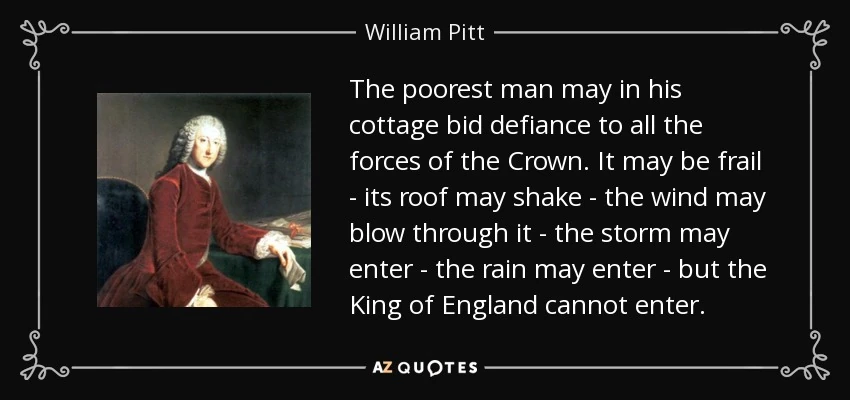
The wind may enter, the rain may enter, but the king may not